Climate action group Extinction Rebellion attacks Microsoft data centre construction site, amid growing worker opposition to AI facilities in the Netherlands.
They threw balloons over the fence to weaken concrete with Salt, Acetic Acid, Peroxide, and acrylic paint at some bare concrete and steel where a facility is going to be built.
I feel like the guy with the paint didn’t understand the memo.
The concrete is actually highly acidic but the outer layer cures to become alkaline and the two layers together end up becoming water resistant, so by adding acid to the surface it can lose its water repellent capability and weaken faster.
If the concrete were sealed with a wax or an acrylic then Acetone would also be effective.
Oh really? I honestly never considered that possibility and always thought of concrete as a kind of inert “stone,” I find this legitimately interesting.
My understanding is that the genius of such attacks is they don’t actually have to do the damage but if there’s the fear of chemical damage you don’t want to build the rest of a building on top of it.
This right here is the answer. The possibility that the concrete cure was all or partially disrupted can mean the concrete has to go away and be re-poured.
concrete is calcium carbonate and silicate, both are basic. it’s also slightly porous but mostly waterproof by itself, doesn’t matter that hard in this application since there will be AC removing water from the inside 24/7 anyway
Carbonation causes acidity and the traditional methods of creating concrete involves furnaces which introduce various forms of carbonation. The Calcium Carbonate once dissolved in water will start to form the Calcium Hydroxide layer on the surface, thats the alkaline layer, and deeper in the carbonation creates acidity.
calcium carbonate is still basic and even hydrogen carbonate is basic enough to be protective against steel corrosion
The Calcium Carbonate once dissolved in water will start to form the Calcium Hydroxide layer on the surface, thats the alkaline layer, and deeper in the carbonation creates acidity.
100% wrong, how come there’s more carbon dioxide inside than outside, you’re starting from calcium hydroxide and silicate. on the surface there’s some carbonate formation from carbon dioxide, but when it can’t get there calcium silicate forms instead. either way both are basic
Well, now you’re contradicting yourself from earlier when you stated we were discussing Calcium Carbonate and Silicate.
The Calcium Carbonate degrades into Calcium Oxide. Calcium Oxide will form Calcium Hydroxide on the cured surface.
The only reliable way to seperate the Calcium from the oxidation afaik would be the introduction of Chlorine, so you’re definitely not seeing the reverse happening regardless of how much carbon dioxide there is.
you see, you can be as wrong as you want to be. i won’t be teaching you middle school level chemistry against your will in a comment section. in concrete Ca2+ remains Ca2+, be it as hydroxide or carbonate or silicate and it cannot become reduced in normal concrete conditions and definitely it can’t be oxidized.
The Calcium Carbonate degrades into Calcium Oxide
no it fucking doesn’t, this is what happens when cement is prepared in a kiln. near surface of curing concrete calcium hydroxide captures carbon dioxide from air, then this crust of precipitate blocks it from moving deeper. which is why the rest of calcium hydroxide reacts with silica forming calcium silicate, which takes more time and is responsible for late strengthening. before you lost plot i was talking about oxidation of steel rebar, and it depends on many things, but for regular carbon steel if there’s no oxygen then it’s much slower. and because concrete is not very permeable to oxygen, there are all these engineering requirements about how deep rebar has to be. anyway, a little bit of vinegar would be just neutralized by calcium hydroxide from concrete and won’t do anything, a little bit of salt would be diluted massively and also won’t do anything, hydrogen peroxide would decompose because anything will do that
Just needs a supply of Dioxygen difluorideChlorine trifluoride [ref] which when spilled in large quantities “burned its way through a foot of concrete floor and chewed up another meter of sand and gravel beneath”
A quick visit to wikipedia gives me this lovely paragraph which makes me nervous:
The other main property of this unstable compound is it’s oxidizing power, although most experimental reactions have been conducted near -100 °C (173 K). Several experiments with the compound resulted in a series of fires and explosions. Some of the compounds that produced violent reactions with O2F2 include ethyl alcohol, methane, ammonia, and even water ice.
Flourine is really scary stuff. If we’re going to toss some FOOF at the concrete, we could also use ClF3. Clorine Triflouride is another angry oxidizer that I’m pretty sure is hypergolic with sand of all things.
Only if it is uncoated iron rebar. There are also coated rebar, galvanized rebar, stainless steel rebar, or fiberglass rebar.
Iron is the most popular rebar among workers for its ability to be shaped by hand and easily cut, but it’s lacking in longevity due to its chemical vulnerability.
Galvanized is also weak to chemical attacks but from Alkaline attacks.
coated rebar isn’t, it’ll always get dinged somewhere. stainless is expensive and the real available scalable option is either galvanized or sometimes basalt fiber, or glass fiber but i’ve not heard about it too much. the most important factor in slowing down corrosion is how thick concrete layer is on top of rebar, because concrete is very slightly porous and will let oxygen in, but the thicker that layer is, the slower oxygen gets to rebar, then the slower corrosion is, and this means it takes longer for rust layer to grow enough for concrete around rebar to fail due to swelling, because rust takes more volume than corroding steel
a bit of vinegar might strip zinc layer, but won’t do too much and definitely it won’t matter long term until most of zinc layer is gone. salt also promotes corrosion but this also depends on oxygen availability and won’t be too fast, it would only matter if there’s salt in concrete in large amounts


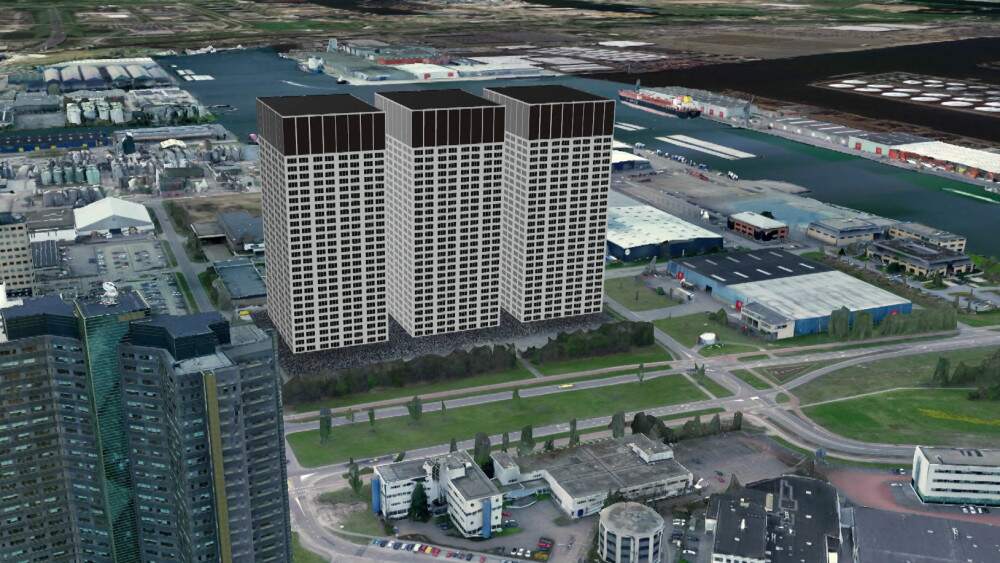
They threw balloons over the fence to weaken concrete with Salt, Acetic Acid, Peroxide, and acrylic paint at some bare concrete and steel where a facility is going to be built.
I feel like the guy with the paint didn’t understand the memo.
I feel like none of these things will actually weaken concrete, unless it’s being added to the concrete mix itself.
The concrete is actually highly acidic but the outer layer cures to become alkaline and the two layers together end up becoming water resistant, so by adding acid to the surface it can lose its water repellent capability and weaken faster.
If the concrete were sealed with a wax or an acrylic then Acetone would also be effective.
Oh really? I honestly never considered that possibility and always thought of concrete as a kind of inert “stone,” I find this legitimately interesting.
My understanding is that the genius of such attacks is they don’t actually have to do the damage but if there’s the fear of chemical damage you don’t want to build the rest of a building on top of it.
This right here is the answer. The possibility that the concrete cure was all or partially disrupted can mean the concrete has to go away and be re-poured.
That would be a great reason to announce the damage as well, which they did.
Check out the Hoover Dam. It’s concrete is still curing to this day!
Stone itself isn’t inert either?
concrete is calcium carbonate and silicate, both are basic. it’s also slightly porous but mostly waterproof by itself, doesn’t matter that hard in this application since there will be AC removing water from the inside 24/7 anyway
Carbonation causes acidity and the traditional methods of creating concrete involves furnaces which introduce various forms of carbonation. The Calcium Carbonate once dissolved in water will start to form the Calcium Hydroxide layer on the surface, thats the alkaline layer, and deeper in the carbonation creates acidity.
calcium carbonate is still basic and even hydrogen carbonate is basic enough to be protective against steel corrosion
100% wrong, how come there’s more carbon dioxide inside than outside, you’re starting from calcium hydroxide and silicate. on the surface there’s some carbonate formation from carbon dioxide, but when it can’t get there calcium silicate forms instead. either way both are basic
Well, now you’re contradicting yourself from earlier when you stated we were discussing Calcium Carbonate and Silicate.
The Calcium Carbonate degrades into Calcium Oxide. Calcium Oxide will form Calcium Hydroxide on the cured surface.
The only reliable way to seperate the Calcium from the oxidation afaik would be the introduction of Chlorine, so you’re definitely not seeing the reverse happening regardless of how much carbon dioxide there is.
you see, you can be as wrong as you want to be. i won’t be teaching you middle school level chemistry against your will in a comment section. in concrete Ca2+ remains Ca2+, be it as hydroxide or carbonate or silicate and it cannot become reduced in normal concrete conditions and definitely it can’t be oxidized.
no it fucking doesn’t, this is what happens when cement is prepared in a kiln. near surface of curing concrete calcium hydroxide captures carbon dioxide from air, then this crust of precipitate blocks it from moving deeper. which is why the rest of calcium hydroxide reacts with silica forming calcium silicate, which takes more time and is responsible for late strengthening. before you lost plot i was talking about oxidation of steel rebar, and it depends on many things, but for regular carbon steel if there’s no oxygen then it’s much slower. and because concrete is not very permeable to oxygen, there are all these engineering requirements about how deep rebar has to be. anyway, a little bit of vinegar would be just neutralized by calcium hydroxide from concrete and won’t do anything, a little bit of salt would be diluted massively and also won’t do anything, hydrogen peroxide would decompose because anything will do that
You can make it happen faster in a furnace but it will happen regardless.
Sugar water would have worked better.
Just needs a supply of
Dioxygen difluorideChlorine trifluoride [ref] which when spilled in large quantities “burned its way through a foot of concrete floor and chewed up another meter of sand and gravel beneath”A quick visit to wikipedia gives me this lovely paragraph which makes me nervous:
Flourine is really scary stuff. If we’re going to toss some FOOF at the concrete, we could also use ClF3. Clorine Triflouride is another angry oxidizer that I’m pretty sure is hypergolic with sand of all things.
More like tossing FAFO
badum’tsh
there are also more damage-susceptible things in a datacenter
Oh definitely. I was just speaking on concrete.
Walls aren’t up yet, just an empty foundation and some steel beams.
these things can corrode rebar slightly
Only if it is uncoated iron rebar. There are also coated rebar, galvanized rebar, stainless steel rebar, or fiberglass rebar.
Iron is the most popular rebar among workers for its ability to be shaped by hand and easily cut, but it’s lacking in longevity due to its chemical vulnerability.
Galvanized is also weak to chemical attacks but from Alkaline attacks.
coated rebar isn’t, it’ll always get dinged somewhere. stainless is expensive and the real available scalable option is either galvanized or sometimes basalt fiber, or glass fiber but i’ve not heard about it too much. the most important factor in slowing down corrosion is how thick concrete layer is on top of rebar, because concrete is very slightly porous and will let oxygen in, but the thicker that layer is, the slower oxygen gets to rebar, then the slower corrosion is, and this means it takes longer for rust layer to grow enough for concrete around rebar to fail due to swelling, because rust takes more volume than corroding steel
a bit of vinegar might strip zinc layer, but won’t do too much and definitely it won’t matter long term until most of zinc layer is gone. salt also promotes corrosion but this also depends on oxygen availability and won’t be too fast, it would only matter if there’s salt in concrete in large amounts