This is a sad situation for Australia on many accounts. It would help if more employment was made available in regional areas where there is still space and prices for housing are relatively affordable.
This is not just Australia. This is repeated across every single developed economy. The problem is capitalism. This is the expected result when every aspect of life is aggressively commoditised. When our political class collude with corporations to extract value from the people, rather than improve their quality of life and standard of living.
I don’t entirely agree with this sentiment, personally. Regional areas by definition do not have large populations. There is be work to be done in the regions, and regional employment can and should be increased, but building more infrastructure to accommodate more people would be very expensive per person.
The real solution in my mind is more homes closer to existing services.
We are pretty allergic to densification in Australia, but we desperately need it. Seems to work fantastically for many European cities.
The car has lead to ridiculous urban sprawl in all major Australian cities, and we need to densify so public transport becomes more affordable to expand.
That and ending housing being an investment vehicle.
I agree with what you say but still maintain that regional areas can and should be developed intelligently. Having enormous built-up cities can be seen as a positive but also has major downsides in the case of war, major facility breakdown, or stoppage of supply (as could happen if transport breaks down due to lack of fuel). That would be a lot of people close together in a state of crisis. We can only hope that doesn’t come to pass.

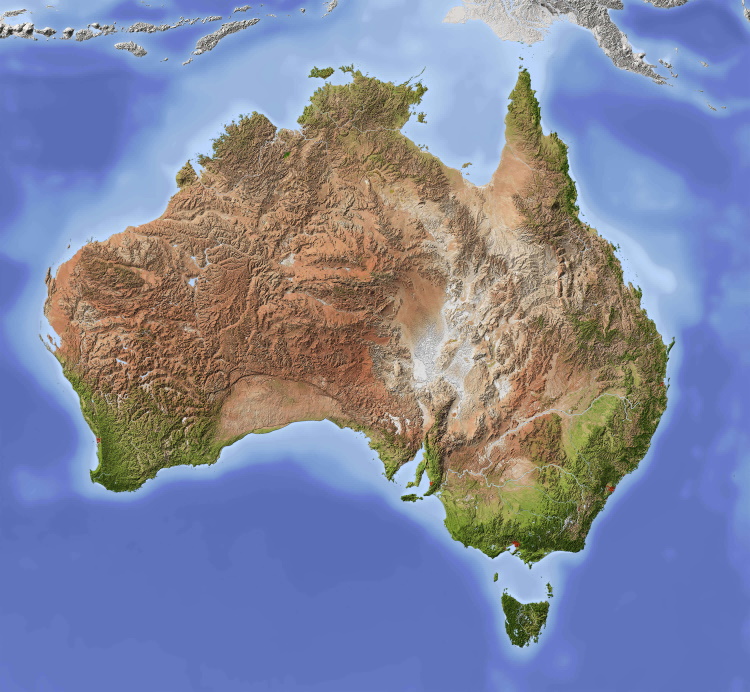

This is a sad situation for Australia on many accounts. It would help if more employment was made available in regional areas where there is still space and prices for housing are relatively affordable.
This is not just Australia. This is repeated across every single developed economy. The problem is capitalism. This is the expected result when every aspect of life is aggressively commoditised. When our political class collude with corporations to extract value from the people, rather than improve their quality of life and standard of living.
I don’t entirely agree with this sentiment, personally. Regional areas by definition do not have large populations. There is be work to be done in the regions, and regional employment can and should be increased, but building more infrastructure to accommodate more people would be very expensive per person.
The real solution in my mind is more homes closer to existing services.
We are pretty allergic to densification in Australia, but we desperately need it. Seems to work fantastically for many European cities.
The car has lead to ridiculous urban sprawl in all major Australian cities, and we need to densify so public transport becomes more affordable to expand.
That and ending housing being an investment vehicle.
I agree with what you say but still maintain that regional areas can and should be developed intelligently. Having enormous built-up cities can be seen as a positive but also has major downsides in the case of war, major facility breakdown, or stoppage of supply (as could happen if transport breaks down due to lack of fuel). That would be a lot of people close together in a state of crisis. We can only hope that doesn’t come to pass.
Yeah fair enough, you make good points. I only resist calls that we should de-urbanise. Though re-reading your comments, you weren’t saying that