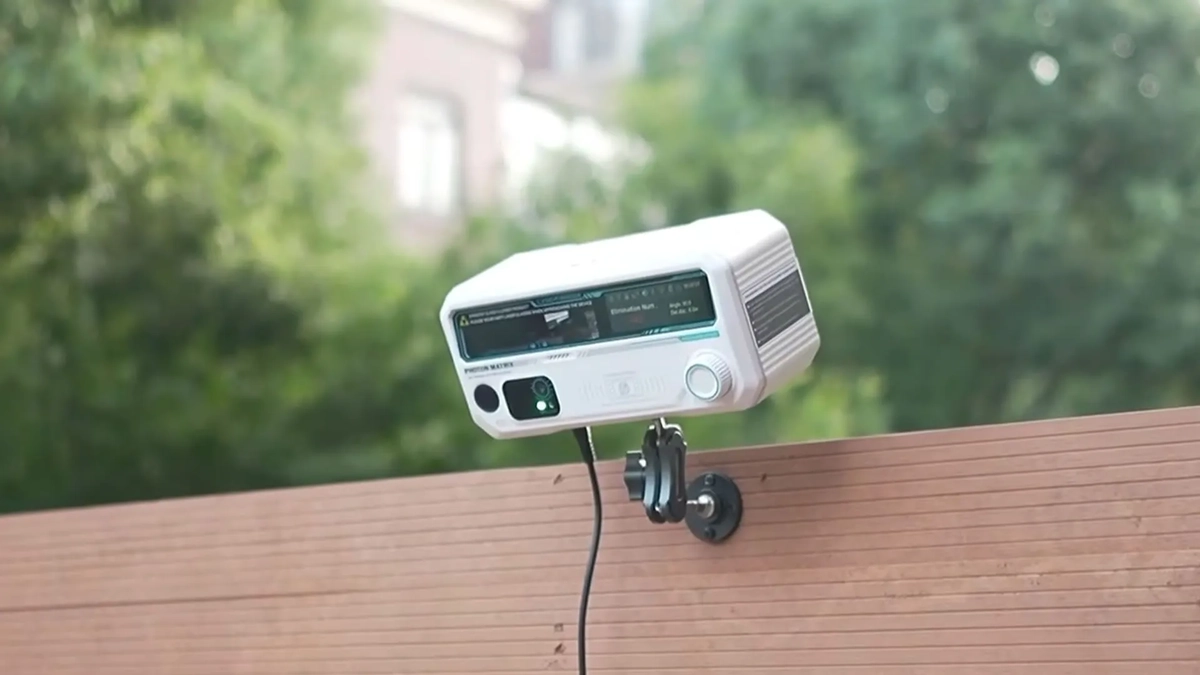
A startup based in Changzhou, China, named Photon Matrix Lab, has developed a compact laser defense system designed to eliminate mosquitoes in mid-air…
In this case, it’s likely not a bad word choice. The plans for this type of device use a mix of optical and acoustic tracking and identification. They are almost certainly based on modern machine learning and training. Basically, part of the modern “AI” family of methods.
I just don’t think they’d have called out in the title of this article that it was “AI” if this had come out in 2019. It’s plausible they wouldn’t have used the same technologies the article says they used if it wasn’t for this infernal bubble.
Before Gemini, I never heard Gmail called an “AI email service” because it uses Bayesian analysis or some other kind of machine learning or whatever for spam filtering. I don’t think I’ve even heard the spam filtering capabilities called “AI spam filtering”. They just called it “spam filtering”. Sure, in some computer science class on “artificial intelligence” they’ll probably talk about some of the techniques Gmail uses to filter spam, but it wouldn’t be thrown so front-and-center as putting it int he title of any article on Gmail.
Mind you, this isn’t the first time I’ve heard claims of working examples of this concept. The 2010 “Photonic Fence” was similar. The patent application for it mentions using GPUs for “full-frame object recognition”. That patent application also refers to another project that was for identifying/differentiating species of insects for very similar purposes that uses neural networks and yet the term “artificial intelligence”/“AI” appears nowhere.
This is very typical for bubbles. Remember when they were shoehorning blockchain and/or NFTs into every new technology thing? Because apparently NFTs help you make shitty Second Life ripoffs (the “Metaverse”). And your biometrics belong on a blockchain ledger for some fucking reason. Sometimes they’d even imply something involved blockchains when it actually didn’t, just to get in on the hype. (I remember one project that involved putting accounts of surviving… I think it was the Rwanda genocide on a blockchain. Except it didn’t store these accounts on a blockchain at all. You had to delve through 7 rabbit holes to figure that out because they used a lot of blockchain-coded language to make it sound like they were putting it on a blockchain when they weren’t.) I’ve heard it mentioned that the same was true for fiber optics during that bubble. People were shoehorning fiber optics into projects it had no business being in specifically just to get venture capital, because you couldn’t get venture capital unless your project proposal mentioned fiber optics. Hell, there was a “terrorism bubble” in the U.S. in the naughties after September 11th. Maybe not so much an economic bubble, but a craze of a similar sort insofar as people were throwing the word “terrorism” or “terrorism response” or “antiterrorism” on things that should never have had anything to do with terrorism.
Yes, it’s reasonable to call some of the technologies used in this “AI Laser Mosquito Killer” in the OP article, but I’m still convinced this is just a naked attempt to ride the hype train. Either they’re putting “AI” in the title of the thing only because it’s the craze lately or they’ve shoehorned things into it that wouldn’t have been included in the design had it not been for this AI bubble. Or some combination of both.


In this case, it’s likely not a bad word choice. The plans for this type of device use a mix of optical and acoustic tracking and identification. They are almost certainly based on modern machine learning and training. Basically, part of the modern “AI” family of methods.
I just don’t think they’d have called out in the title of this article that it was “AI” if this had come out in 2019. It’s plausible they wouldn’t have used the same technologies the article says they used if it wasn’t for this infernal bubble.
Before Gemini, I never heard Gmail called an “AI email service” because it uses Bayesian analysis or some other kind of machine learning or whatever for spam filtering. I don’t think I’ve even heard the spam filtering capabilities called “AI spam filtering”. They just called it “spam filtering”. Sure, in some computer science class on “artificial intelligence” they’ll probably talk about some of the techniques Gmail uses to filter spam, but it wouldn’t be thrown so front-and-center as putting it int he title of any article on Gmail.
Mind you, this isn’t the first time I’ve heard claims of working examples of this concept. The 2010 “Photonic Fence” was similar. The patent application for it mentions using GPUs for “full-frame object recognition”. That patent application also refers to another project that was for identifying/differentiating species of insects for very similar purposes that uses neural networks and yet the term “artificial intelligence”/“AI” appears nowhere.
This is very typical for bubbles. Remember when they were shoehorning blockchain and/or NFTs into every new technology thing? Because apparently NFTs help you make shitty Second Life ripoffs (the “Metaverse”). And your biometrics belong on a blockchain ledger for some fucking reason. Sometimes they’d even imply something involved blockchains when it actually didn’t, just to get in on the hype. (I remember one project that involved putting accounts of surviving… I think it was the Rwanda genocide on a blockchain. Except it didn’t store these accounts on a blockchain at all. You had to delve through 7 rabbit holes to figure that out because they used a lot of blockchain-coded language to make it sound like they were putting it on a blockchain when they weren’t.) I’ve heard it mentioned that the same was true for fiber optics during that bubble. People were shoehorning fiber optics into projects it had no business being in specifically just to get venture capital, because you couldn’t get venture capital unless your project proposal mentioned fiber optics. Hell, there was a “terrorism bubble” in the U.S. in the naughties after September 11th. Maybe not so much an economic bubble, but a craze of a similar sort insofar as people were throwing the word “terrorism” or “terrorism response” or “antiterrorism” on things that should never have had anything to do with terrorism.
Yes, it’s reasonable to call some of the technologies used in this “AI Laser Mosquito Killer” in the OP article, but I’m still convinced this is just a naked attempt to ride the hype train. Either they’re putting “AI” in the title of the thing only because it’s the craze lately or they’ve shoehorned things into it that wouldn’t have been included in the design had it not been for this AI bubble. Or some combination of both.