Pumped hydro accounts for 95% of grid scale storage. It’s the only thing viable for significant energy storage with batteries taking on more of a capacitor role.
The reason pumped hydro is 95% (if that’s true) is because until very recently batteries weren’t a viable option and available in the scale required.
That’s no longer the case. There’s limits to where you can do pumped hydro, but pretty much anywhere you can drop a solar array down, you can drop a substantial amount of batteries.
Batteries are going to dwarf pumped hydro in the not so distant future.
Edit: To put this into perspective, the USA has ~553 GWh of pumped storage. Tesla alone in the USA has 1 40GWh factory running, and a 50GWh factory about to come online, so they’ll have a yearly 90GWh install capacity, 130GWh if you include the China factory. Then there’s BYD, CATL, Panasonic and LG all doing battery storage, and things like Sodium batteries are about to come online at scale that are even cheaper.
That’s because of capitalism. Pumped hydro has huge startup costs and a long payoff period, but runs basically forever. That’s not good next quarter stock market returns.
Batteries are exactly the disposable need to be completely thrown out and re bought every 5-10 years that the private sector loves to sell the government.
Pumped hydro beats batteries $/KwH before the first time you have to throw them all out every time.
You talk about China, and they’re doing exactly what I said. They’re building pumped hydro capacities over 10x their battery storage capacity.
Again I’m not against batteries they’re a great complimentary technology for surge demand and local backup. But nothing beats the simplicity and efficiency of moving water from a mountain Lake to a valley lake.
Commercial scale grid batteries last 15-20 years and can be deployed in months not years, and the permitting is dramatically less. The grid batteries will be up and earning profits before you even break ground on those pumped hydro locations.
But yes I’m sure once you build the pumped hydro it can be cheaper over decades. Also unless they’re a closed loop system, they’re susceptible to drought which could impact their usage in the future.
Yeah. That’s what I said. Grid scale batteries create lots of profit for big corps. But if you want cost effective long term massive capacity energy storage you go pumped hydro. You can guess who fucked up our regulations and stopped our governments from pursuing these kinds of nation building projects: the same corps selling us batteries and coal and gas power. All based on the idea of endless fuel and battery purchases from them. They also did the same to solar, hydro, wind, and nuclear energy because those don’t really have recurring costs they can profit on forever.
Drought is generally not a concern for pumped hydro because you control the flow and you can pump both ways. In some cases it’s part of a normal hydro generation plant at a dam and then maybe some places might have minor drought susceptibility, but that affects net energy generation rather than storage capacity.


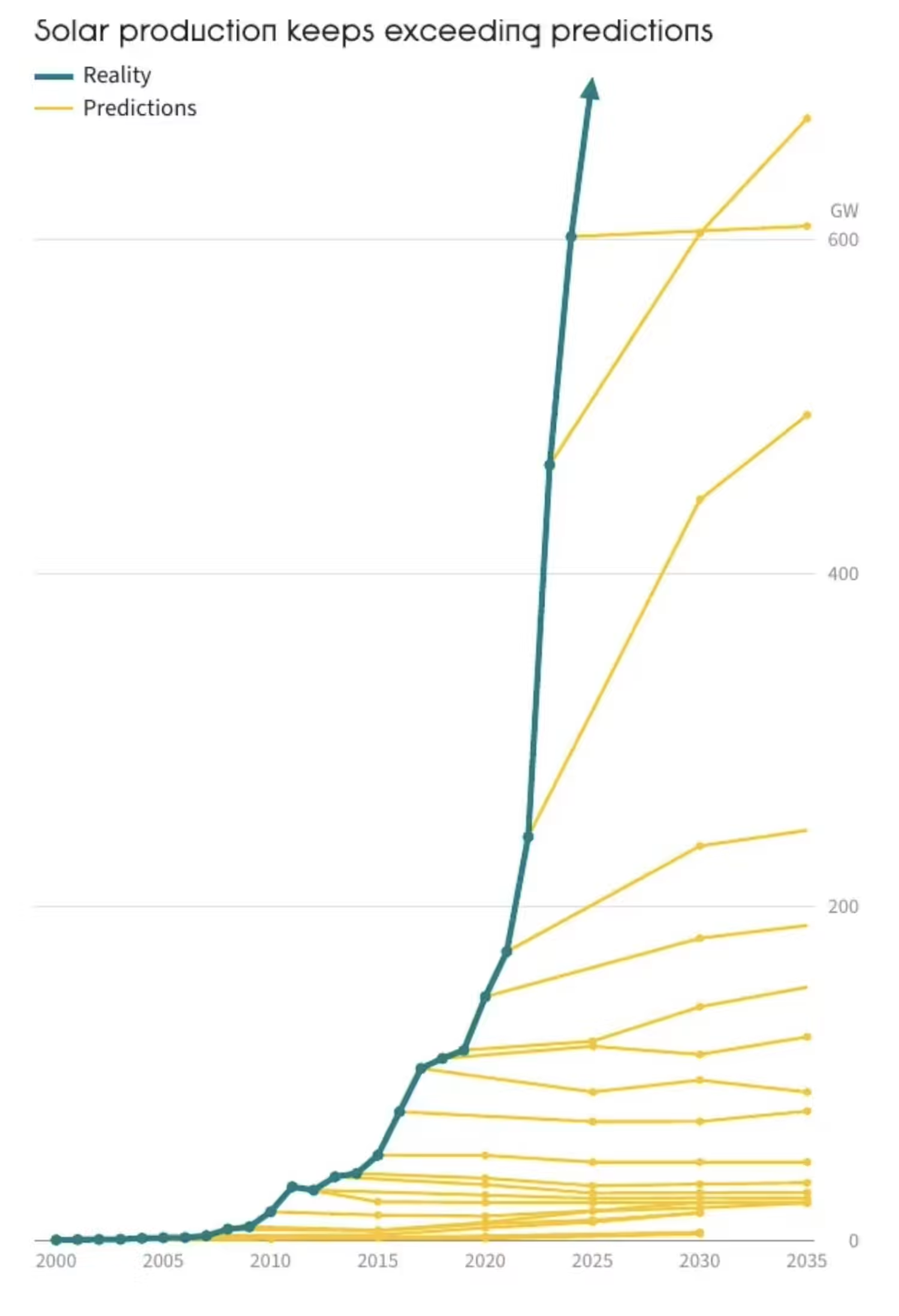
Pumped hydro and grid-scale battery storage seem to be the two main methods.
Pumped hydro accounts for 95% of grid scale storage. It’s the only thing viable for significant energy storage with batteries taking on more of a capacitor role.
The reason pumped hydro is 95%
(if that’s true)is because until very recently batteries weren’t a viable option and available in the scale required.That’s no longer the case. There’s limits to where you can do pumped hydro, but pretty much anywhere you can drop a solar array down, you can drop a substantial amount of batteries.
Batteries are going to dwarf pumped hydro in the not so distant future.
Edit: To put this into perspective, the USA has ~553 GWh of pumped storage. Tesla alone in the USA has 1 40GWh factory running, and a 50GWh factory about to come online, so they’ll have a yearly 90GWh install capacity, 130GWh if you include the China factory. Then there’s BYD, CATL, Panasonic and LG all doing battery storage, and things like Sodium batteries are about to come online at scale that are even cheaper.
https://www.energy.gov/cmei/water/hydropower-market-reports (553 source)
That’s because of capitalism. Pumped hydro has huge startup costs and a long payoff period, but runs basically forever. That’s not good next quarter stock market returns.
Batteries are exactly the disposable need to be completely thrown out and re bought every 5-10 years that the private sector loves to sell the government.
Pumped hydro beats batteries $/KwH before the first time you have to throw them all out every time.
You talk about China, and they’re doing exactly what I said. They’re building pumped hydro capacities over 10x their battery storage capacity.
https://oilprice.com/Alternative-Energy/Hydroelectric/China-Records-Hydropower-Boom-Amid-Power-Storage-Push.html
Again I’m not against batteries they’re a great complimentary technology for surge demand and local backup. But nothing beats the simplicity and efficiency of moving water from a mountain Lake to a valley lake.
Commercial scale grid batteries last 15-20 years and can be deployed in months not years, and the permitting is dramatically less. The grid batteries will be up and earning profits before you even break ground on those pumped hydro locations.
But yes I’m sure once you build the pumped hydro it can be cheaper over decades. Also unless they’re a closed loop system, they’re susceptible to drought which could impact their usage in the future.
Yeah. That’s what I said. Grid scale batteries create lots of profit for big corps. But if you want cost effective long term massive capacity energy storage you go pumped hydro. You can guess who fucked up our regulations and stopped our governments from pursuing these kinds of nation building projects: the same corps selling us batteries and coal and gas power. All based on the idea of endless fuel and battery purchases from them. They also did the same to solar, hydro, wind, and nuclear energy because those don’t really have recurring costs they can profit on forever.
Drought is generally not a concern for pumped hydro because you control the flow and you can pump both ways. In some cases it’s part of a normal hydro generation plant at a dam and then maybe some places might have minor drought susceptibility, but that affects net energy generation rather than storage capacity.