Denmark has separately cut electricity taxes specifically for heat pump households
That is an interesting take for countries that still have high electricity taxes due to generation using fossil fuels. The long-term effect of shifting use to electricity should offset the short-term increase in usage.
In moderate climates it is more efficient to burn gas to produce electricity then use that to run a heat pump, than it is to burn gas directly.
Gas power plants are about 35-60% efficient depending on whether they’re a cheap inefficient peaker or Rankine, or a pricey CCGT plant.
Heat pumps have a COP of 2.5x to >5 depending on outdoor temperature and series.
Good gas furnaces/boilers and the grid are both upwards of 90% efficient.
So a 40% efficient gas plant driving a COP 3 heat pump produces 1.2x the heat that you get from burning the gas directly. That’s close to worst case and you can also run your grid on other fuels.
Also, you need to burn gas only when there is no wind blowing in the winter. Which does not happen that often around the North Sea. Adding modern batteries, gas might be needed 2% or 3% of the time. Which means 97% of CO2 eliminated cheaply, and fast.
Though, adding wave power to complement wind would be nice, since the sea surface then provides free energy storage and energy transport to the shores, and waves in North Sea winter get easily 6 meters high.
With wind, at least all the moving parts tend to be well above water, only exposed to salt spray (though that’s still pretty nasty).
Tidal and especially wave have moving components exposed to water, often right on the wind-water line. That makes them corrosion and maintenance horrors.
There have been plenty of demonstration wave & tidal plants that have produced power, but I think the operation record is about two years, most much less.
Building and scrapping your plants every year or two is neither cost nor energy efficient.
Solar, hydro, geothermal, and wind are much nicer to deal with.
Tidal and especially wave have moving components exposed to water, often right on the wind-water line. That makes them corrosion and maintenance horrors.
True, the environment is not easy, and a lot of detail problems need to be solved.
But ships solved the same issues.
The charm of wave power is that the ocean surface is the storage medium. The surface stores and transports the energy to the shore.
Ships haven’t really ‘solved’ the same issues. They’re dry-docked at regular intervals (about every 5 years?), have minimal moving components below the waterline, and get the props cleaned by divers more frequently.
They are also capable of travelling to dry-dock under their own power and deliver a lot more revenue than your average wave turbine would, so the costs of dry-docking them aren’t as significant.
Absolutely. The point is that even when people say “ha ha, your [heat pump | EV] still actually runs on gas/oil/coal to make its power” - you’re still using less gas/oil/coal than you would with conventional gear, even if the power grid was 100% gas/oil/coal. Which it’s not.
Absolutely. The point is that even when people say “ha ha, your [heat pump | EV] still actually runs on gas/oil/coal to make its power” - you’re still using less gas/oil/coal than you would with conventional gear, even if the power grid was 100% gas/oil/coal. Which it’s not.
The Danish “electric heating” tax system works in a very low level way. A normal household is set to use around 4000 kWh of power for non-heating operation. Anything above that is just not taxed. This is the same for any form of electric heating, not just heat pumps. Also, January 2025 the government turned tax for electricity to the lowest that EU allows, so no special treatment for using more than 4000 kWh - now everything is with low tax. This deal was set to run for two years, so we will see if the old taxes come back at New Year.


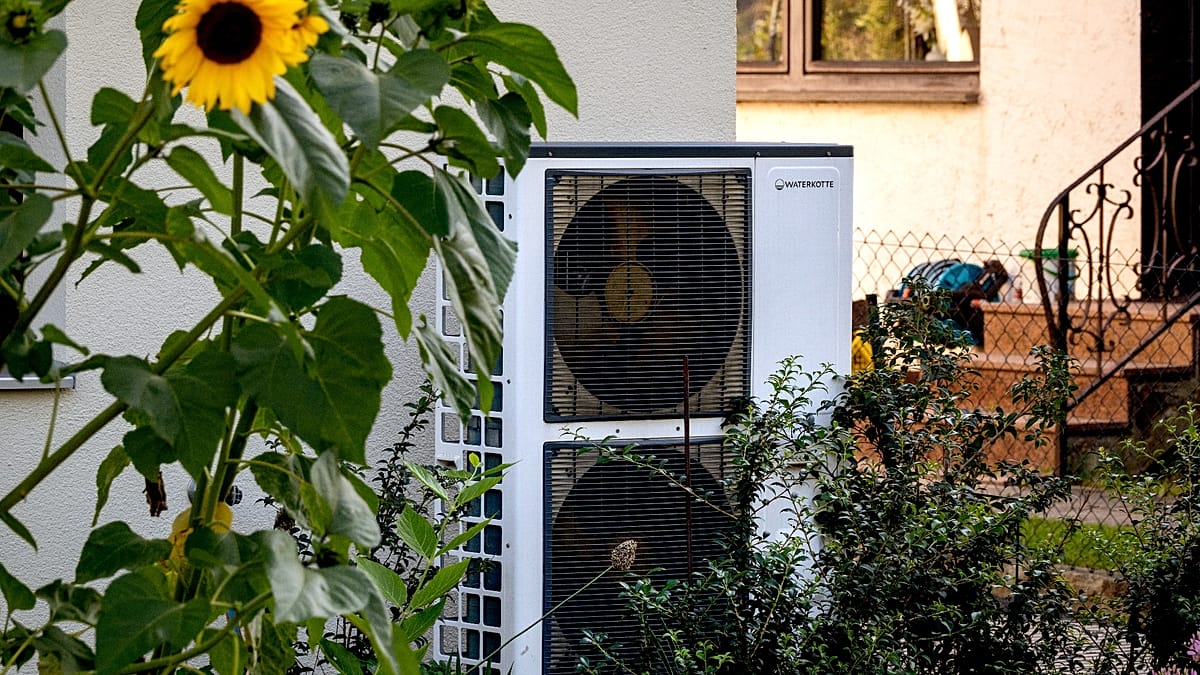
That is an interesting take for countries that still have high electricity taxes due to generation using fossil fuels. The long-term effect of shifting use to electricity should offset the short-term increase in usage.
In moderate climates it is more efficient to burn gas to produce electricity then use that to run a heat pump, than it is to burn gas directly.
Gas power plants are about 35-60% efficient depending on whether they’re a cheap inefficient peaker or Rankine, or a pricey CCGT plant.
Heat pumps have a COP of 2.5x to >5 depending on outdoor temperature and series.
Good gas furnaces/boilers and the grid are both upwards of 90% efficient.
So a 40% efficient gas plant driving a COP 3 heat pump produces 1.2x the heat that you get from burning the gas directly. That’s close to worst case and you can also run your grid on other fuels.
Heat pumps also have the benefit they can run on solar power.
There are plenty of days when it’s still sunny, but not very warm, and my heat pump runs “for free” most of the day.
But, but… the economy.
Also, you need to burn gas only when there is no wind blowing in the winter. Which does not happen that often around the North Sea. Adding modern batteries, gas might be needed 2% or 3% of the time. Which means 97% of CO2 eliminated cheaply, and fast.
Though, adding wave power to complement wind would be nice, since the sea surface then provides free energy storage and energy transport to the shores, and waves in North Sea winter get easily 6 meters high.
They even had to invent some crazy engineering to access wind power plants in typical winter weather - see “Ampelmann Gangway” at YouTube…
With wind, at least all the moving parts tend to be well above water, only exposed to salt spray (though that’s still pretty nasty).
Tidal and especially wave have moving components exposed to water, often right on the wind-water line. That makes them corrosion and maintenance horrors.
There have been plenty of demonstration wave & tidal plants that have produced power, but I think the operation record is about two years, most much less.
Building and scrapping your plants every year or two is neither cost nor energy efficient.
Solar, hydro, geothermal, and wind are much nicer to deal with.
True, the environment is not easy, and a lot of detail problems need to be solved.
But ships solved the same issues.
The charm of wave power is that the ocean surface is the storage medium. The surface stores and transports the energy to the shore.
This is a very powerful principle.
Ships haven’t really ‘solved’ the same issues. They’re dry-docked at regular intervals (about every 5 years?), have minimal moving components below the waterline, and get the props cleaned by divers more frequently.
They are also capable of travelling to dry-dock under their own power and deliver a lot more revenue than your average wave turbine would, so the costs of dry-docking them aren’t as significant.
That’s some cool engineering
This one shows it better..
Electricity can relatively easy be generated almost infinitely. We will run out of gas sooner or later.
Absolutely. The point is that even when people say “ha ha, your [heat pump | EV] still actually runs on gas/oil/coal to make its power” - you’re still using less gas/oil/coal than you would with conventional gear, even if the power grid was 100% gas/oil/coal. Which it’s not.
The point is to remove gas dependencies one at a time, so the impending forced transition is as painless as possible.
Absolutely. The point is that even when people say “ha ha, your [heat pump | EV] still actually runs on gas/oil/coal to make its power” - you’re still using less gas/oil/coal than you would with conventional gear, even if the power grid was 100% gas/oil/coal. Which it’s not.
Denmark produces 60% of its electricity with wind power.
The Danish “electric heating” tax system works in a very low level way. A normal household is set to use around 4000 kWh of power for non-heating operation. Anything above that is just not taxed. This is the same for any form of electric heating, not just heat pumps. Also, January 2025 the government turned tax for electricity to the lowest that EU allows, so no special treatment for using more than 4000 kWh - now everything is with low tax. This deal was set to run for two years, so we will see if the old taxes come back at New Year.