You’re reducing your consumption by roughly 20-30%. Given that this reduction comes at a low cost and retains the ubiquitous fast refueling of gas cars, it’s an excellent choice for many people.
Toyota hybrids are reliable compared to other ICE vehicles. But EVs are even more reliable. Also you still have to do ICE maintenance on hybrids like oil changes.
I agree hybrids still have their place, but i think many more people can switch to full EVs instead of going hybrid. they are just wary of change.
The entire strait of Hormuz mess only affects like 20% of the worlds oil and look at the effect it has. Imagine the opposite happening with mass adoption of hybrids (and continued growth in EVs)


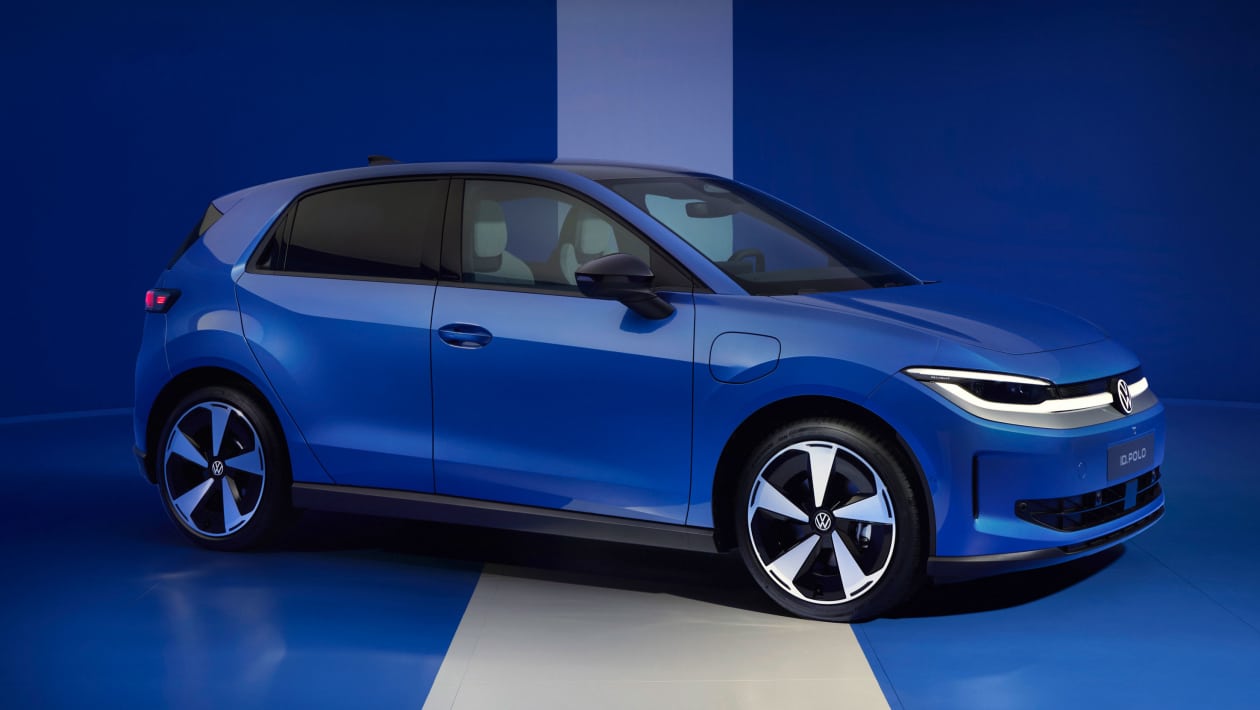
Hybrids are consistently among the most reliable vehicles you can buy.
They add some components, but they also take away some troublesome parts: https://www.torquenews.com/1083/its-whats-missing-matters-why-toyota-hybrids-are-so-much-more-reliable-other-brands-vehicles
You’re reducing your consumption by roughly 20-30%. Given that this reduction comes at a low cost and retains the ubiquitous fast refueling of gas cars, it’s an excellent choice for many people.
Toyota hybrids are reliable compared to other ICE vehicles. But EVs are even more reliable. Also you still have to do ICE maintenance on hybrids like oil changes.
I agree hybrids still have their place, but i think many more people can switch to full EVs instead of going hybrid. they are just wary of change.
It still comes down a lot to brand, as demonstrated by Toyota being more reliable than Tesla: https://autoreliabilityindex.com/compare/tesla-vs-toyota
Realistically, both technologies are mature enough that either technology can be very reliable if the manufacturer puts in the work.
ICE and hybrids do have more maintenance, but it is still infrequent on modern vehicles.
The entire strait of Hormuz mess only affects like 20% of the worlds oil and look at the effect it has. Imagine the opposite happening with mass adoption of hybrids (and continued growth in EVs)