

By naming their new book The Technological Republic, Palantir executives Alexander Karp and Nicholas W. Zamiska gesture toward this heritage. The book comes at a unique juncture in Silicon Valley’s history. Its leaders have awoken to their status as a distinct social elite but remain uncertain as to what obligations that status carries. Their old “Californian Ideology,” half libertarian fantasy and half globalist prophecy, has collapsed. What creed will take its place is not clear.3 Few seem better placed to address these questions than Karp, a founder known as much for intellectual ambition as for entrepreneurial success. While leading a defense tech company, with close ties to the sitting administration, he and Zamiska are perfectly positioned to lay out a new civic philosophy for America’s technological elite.
Readers hoping for such a book, however, will be disappointed. The Technological Republic is not a serious exploration of the political foundations of technology, nor a study of the technological foundations of American power. It is not a sober forecast of technological trends or a reckoning with their implications for the American public. It is not even a business history of Palantir itself. The Technological Republic aims at something “substantial and ambitious,” inhabiting “the interstitial but we hope rich space between political, business, and academic treatises.”4 It reads like a collection of TED Talks. Its chapters are discrete and disconnected. The themes that tie them together are nowhere explicitly laid out but must be inferred by the reader.
The most persistent of these themes is a critique of Silicon Valley’s “engineering elite.” Karp and Zamiska insist that the fortunes and fame of this elite were not created ex nihilo. This class is, in fact, deeply indebted to the civilization that made their firms possible, one that most of them feel no kinship with or obligation to. At the center of that civilization is the United States. The American nation should demand the loyalty of those who prosper most from it. This loyalty should be freely given. Karp and Zamiska believe that tech leaders should focus their substantial talents on bettering this nation. Like Palantir, their firms should not shy away from the provision of public goods. Silicon Valley should boldly take part in the “articulation of the national project.”5 Alas, the instinct of the Silicon Valley founder is to move as the market lists. How does the market list? Toward “lifestyle technologies” whose main purpose is to “enable the highly educated . . . to feel as if they have more income than they do.” America’s engineering elite is brilliant, but their brilliance is wasted on baubles.6
These observations may be accurate, but the goal of The Technological Republic is to inspire American technologists to become American techno-nationalists. Regrettably, Karp and Zamiska offer no roadmap for accomplishing this. The two men invoke the technologists of generations past as archetypes the modern engineering elite might aspire to, but they do not investigate the religious, social, political, or economic milieu that created these technologists. This is unfortunate: Karp and Zamiska’s sermonizing is not sufficient to make patriots out of a generation of engineers who have never been trained to think of themselves as stewards of a state. Elevating Silicon Valley’s engineering elite into a governing class would require much more: institutions, alliances, and traditions that root the wealth and expertise of our technologists in service to the nation.
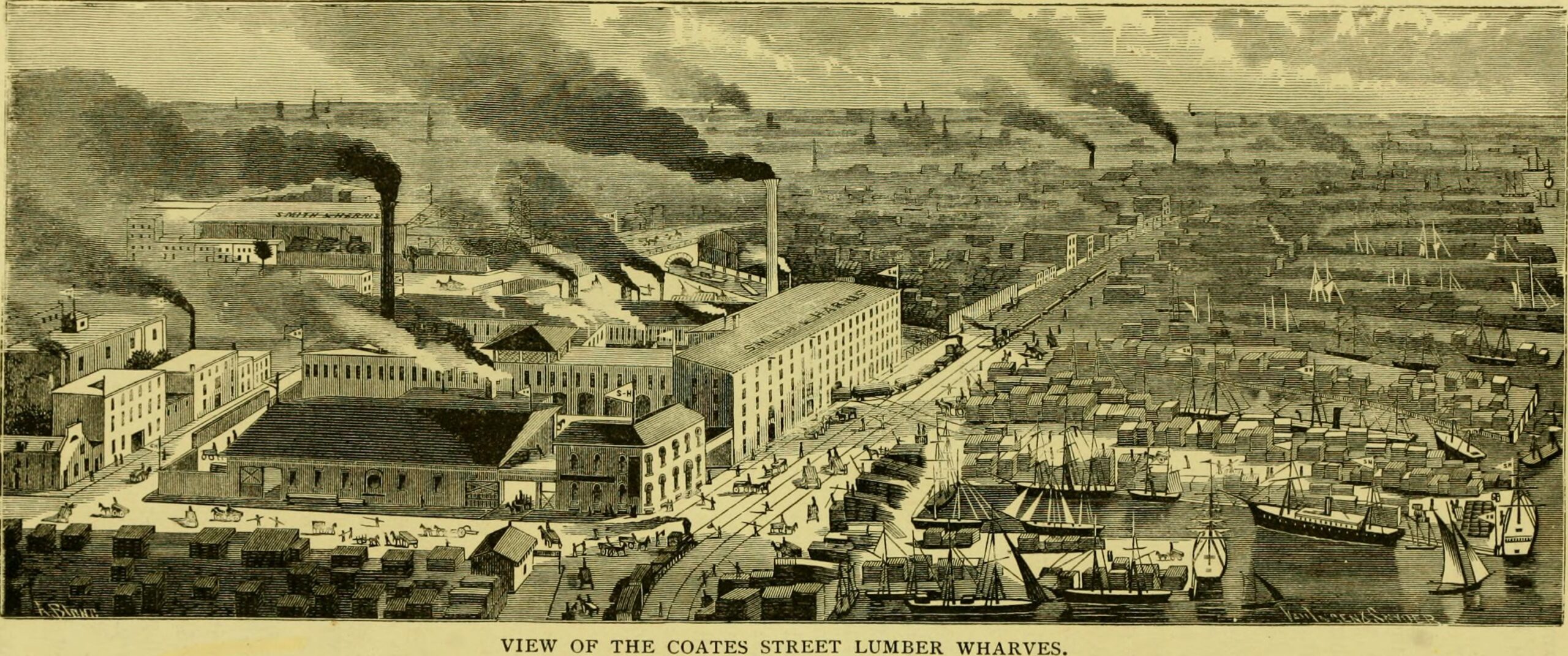
The United States has had such a class in the past. They were the architects of the Second Industrial Revolution: engineers, industrialists, and entrepreneurs who believed that a technological revolution was needed to propel America toward greatness. They were, in this sense, America’s first governing class of techno-nationalists. In the mid-twentieth century, Americans would label their descendants the “Eastern Establishment.” This class did not materialize out of thin air. Examining their origins, and the reasons for their seventy-year dominance of American business and government, provides a useful corrective to Karp and Zamiska’s fragmented thinking and hazy wishcasting.